
New gas pipework is not required for every boiler installation, but the existing supply must be assessed before new equipment is connected. A replacement boiler may have different gas requirements from the previous system, particularly when its output or operating arrangement changes. The pipework must be suitably sized and in an appropriate condition to support the new equipment alongside any other gas appliances within the building. Canary Gas can inspect the existing commercial gas installation and identify whether modifications are required. If the current pipework is unsuitable, we can plan alterations as part of the heating project. This coordinated approach helps prevent delays and ensures gas supply requirements are addressed before the new boiler is commissioned.
Commercial Heating Installation in Liverpool
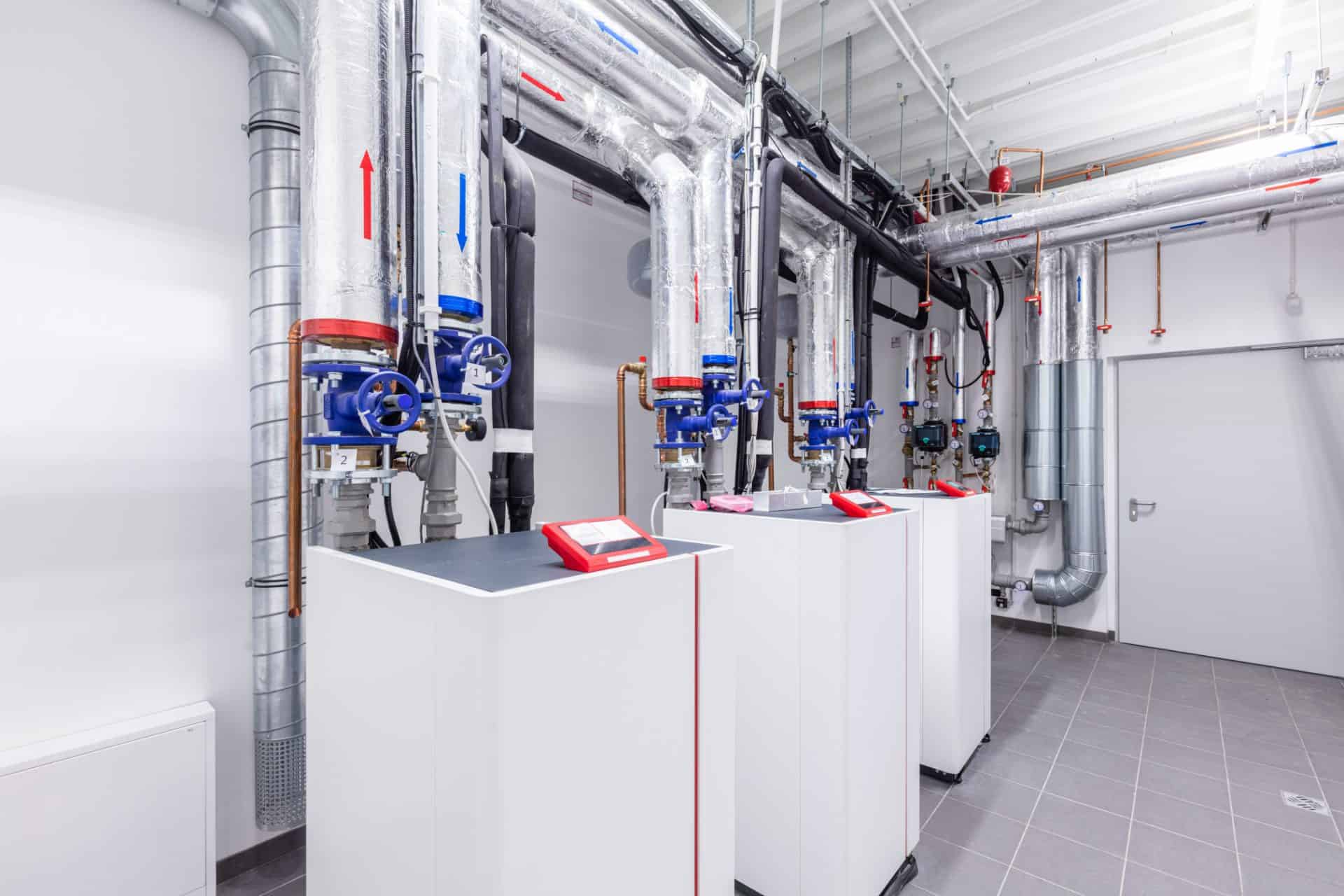
Canary Gas provides professional commercial heating installation in Liverpool for restaurants, hotels, offices, schools, care facilities, retail premises and other commercial buildings. Our experienced engineers design and install boilers, heating systems, controls and plant-room equipment around the operational requirements of each property, helping businesses achieve reliable heating and hot water.
Get A Free Quote
Commercial Heating Systems Designed Around Your Building
Every commercial building has different heating requirements. The size and layout of the premises, operating hours, occupancy levels and demand for hot water all influence the type of system required. Installing equipment without properly assessing these factors can result in uneven heating, excessive energy use or a system that struggles during periods of peak demand.
Canary Gas Ltd plans commercial heating installations around the way each property is used. We assess the existing infrastructure, required output, available plant-room space and any future plans for the building before recommending suitable equipment.
Our engineering-led approach helps ensure that the boiler, controls, pumps, pipework and heat emitters work together effectively. Whether you are fitting out a new commercial property or replacing an older heating system, we provide clear advice throughout the design and installation process.

Commercial Boiler Installation and Replacement
A commercial boiler must be correctly selected to meet the heating and hot-water requirements of the premises. A system that is too small may struggle to maintain comfortable temperatures, while equipment that is poorly matched to the building can operate inefficiently and experience unnecessary wear.
Canary Gas installs commercial boilers for a wide range of business environments. We can assess your current heating demand, review the existing gas supply and recommend equipment that is appropriate for the property and its normal operating conditions.
Where an existing commercial boiler is being replaced, we inspect the surrounding installation before work begins. This allows us to identify whether existing pipework, pumps, controls or flues can remain in use or whether upgrades are required. We can also plan the removal of outdated equipment and coordinate the new installation to minimise disruption to the premises.
Upgrading Ageing Commercial Heating Systems
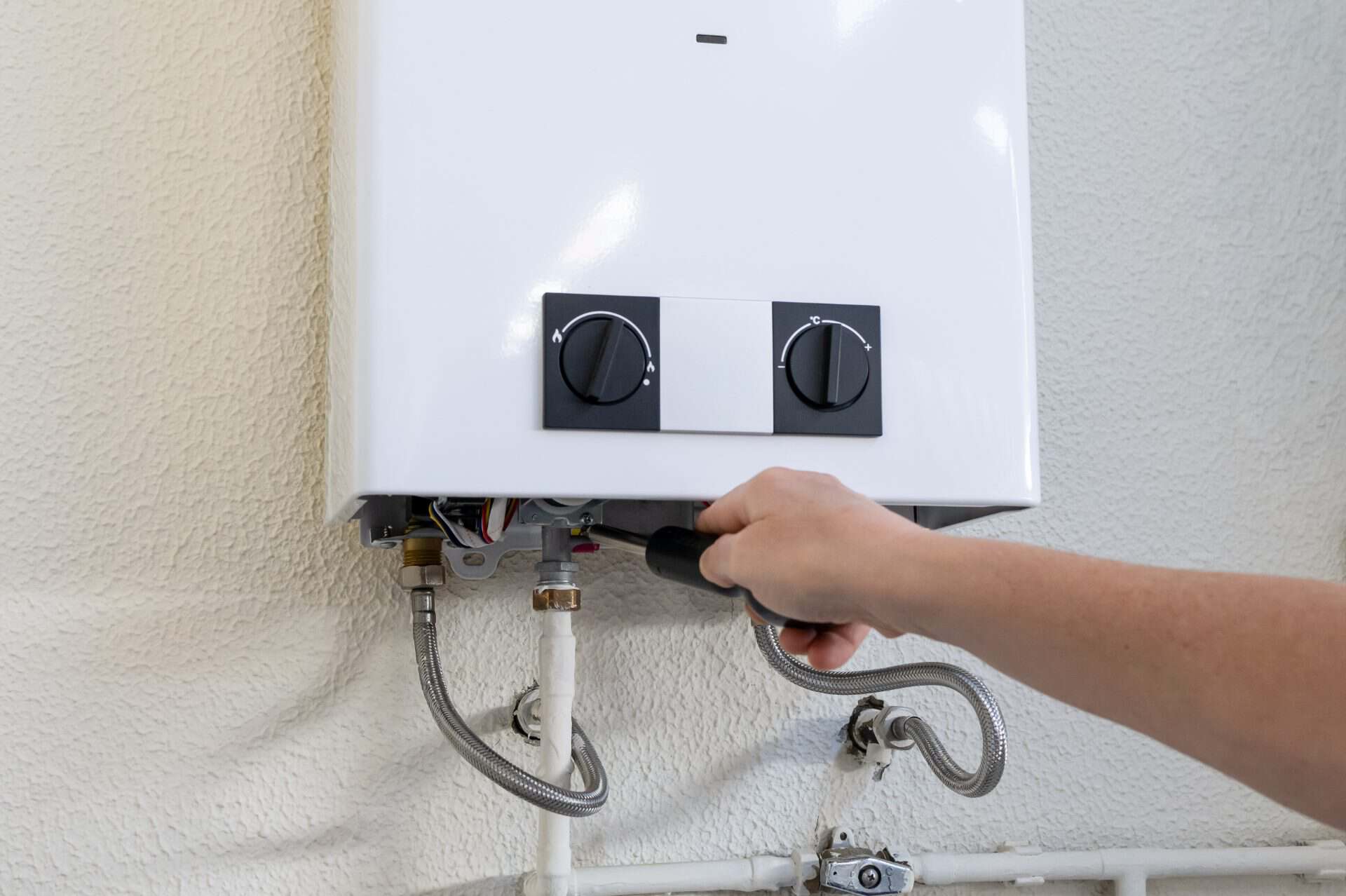
Older commercial heating systems can become increasingly expensive and difficult to maintain. Components may be obsolete, controls may offer limited flexibility and repeated breakdowns can make it difficult for businesses to plan maintenance costs.
A carefully designed upgrade can improve heating control, reliability and system performance. Canary Gas can replace individual boilers or redesign a wider heating arrangement where the current system no longer meets the needs of the property.
Before recommending replacement, we consider the condition of the existing equipment and whether repair remains a sensible option. Where a fault can be resolved economically, our commercial heating repairs service may help extend the life of the system. When ongoing repairs provide poor value, we can develop a planned replacement that gives the business greater long-term confidence.
Why Choose Canary Gas for Commercial Heating Installation?
Canary Gas has more than 30 years of experience working with commercial gas, heating, catering and ventilation systems. This combination of expertise allows us to consider how the heating installation interacts with the wider infrastructure of the premises.
We do not rely on a standard solution for every property. Each installation is planned around the building, its occupants and the expected demand placed on the equipment. Our team provides clear recommendations and explains the available options before work begins.
Commercial gas work is completed by engineers with the appropriate qualifications. We manage installation and commissioning carefully, focusing on safety, practical performance and long-term reliability.
Engineering-Led Solutions
Every project is planned using practical engineering knowledge, not off-the-shelf approaches.
Fully Compliant Installations
All work meets current safety regulations and industry standards without compromise.
Proven Industry Experience
Decades of commercial catering experience inform every decision and installation we deliver.
End-To-End Service
We manage design, installation, and commissioning for a smooth, coordinated process.
Commercial Heating Installation Across Liverpool
Canary Gas installs commercial heating systems throughout Liverpool City Centre, the Knowledge Quarter, Baltic Triangle, Ropewalks, Aigburth, Allerton, Woolton, Anfield, Walton, Toxteth and surrounding areas.
We support restaurants, hotels, offices, schools, care facilities, leisure premises, shops, warehouses and other commercial properties. Installations range from individual boiler replacements to wider plant-room and heating system projects.
Our engineers also cover businesses in Chester, St Helens, Southport and throughout Merseyside. Suitable commercial heating installations can be considered across the North West depending on the scale, location and technical requirements of the project.
Businesses outside Liverpool can provide their postcode, property details and information about the existing heating system when enquiring. This allows our team to confirm coverage and discuss whether an initial site assessment will be required.
Frequently Asked Questions
A commercial heating installation can include boilers, pumps, controls, valves, pipework, flues and other plant-room components required to heat the premises. The exact scope depends on whether the project involves replacing one boiler, upgrading an existing system or fitting heating throughout a new commercial building. Canary Gas begins by assessing the property, expected demand and current infrastructure. We can then plan suitable equipment, complete required gas and heating pipework, install controls and commission the finished system. Where existing components remain appropriate, they may be incorporated into the new installation following assessment. Each project is planned individually to ensure the completed heating system supports the property’s operating hours, occupancy and hot-water requirements.
Choosing a commercial boiler involves considering the size and layout of the building, heat loss, occupancy, opening hours and demand for heating and hot water. Existing pipework, gas supply capacity, plant-room space and control arrangements must also be assessed. Selecting equipment based only on the output of the previous boiler may not provide the best result, particularly where the property has been extended or its use has changed. Canary Gas reviews the wider system before recommending suitable equipment. This helps avoid installing a boiler that is unable to meet peak demand or is unnecessarily large for the premises. Manufacturer requirements, future maintenance and potential plans for the building can also influence the final recommendation.
It may be possible to complete some commercial heating installations while the premises remains operational, although this depends on the building, equipment location and work required. Boiler replacement normally involves a period when heating, hot water or the gas supply is unavailable. Canary Gas discusses operating hours, access restrictions and essential services during the planning stage so work can be organised to limit disruption wherever practical. Some projects can be completed in phases, while others may need to be scheduled outside normal working hours or during a planned closure. We explain the likely interruption before installation begins, allowing the business to prepare staff, customers, residents or building users for any temporary changes.