
Not every replacement requires ventilation alterations, but this must be assessed before the appliance is used. A larger, more powerful or differently configured appliance may produce additional heat, combustion products, grease or cooking fumes. Its position beneath the canopy can also affect extraction performance. Canary Gas can review how the proposed equipment relates to the existing canopy, ductwork, fan and gas safety controls. Where the current system is unsuitable, modifications or a more comprehensive ventilation upgrade may be recommended. The Health and Safety Executive provides guidance covering safe gas-fired equipment use within catering and hospitality environments. Considering extraction during the planning stage can help prevent expensive alterations after the appliance has already been fitted.
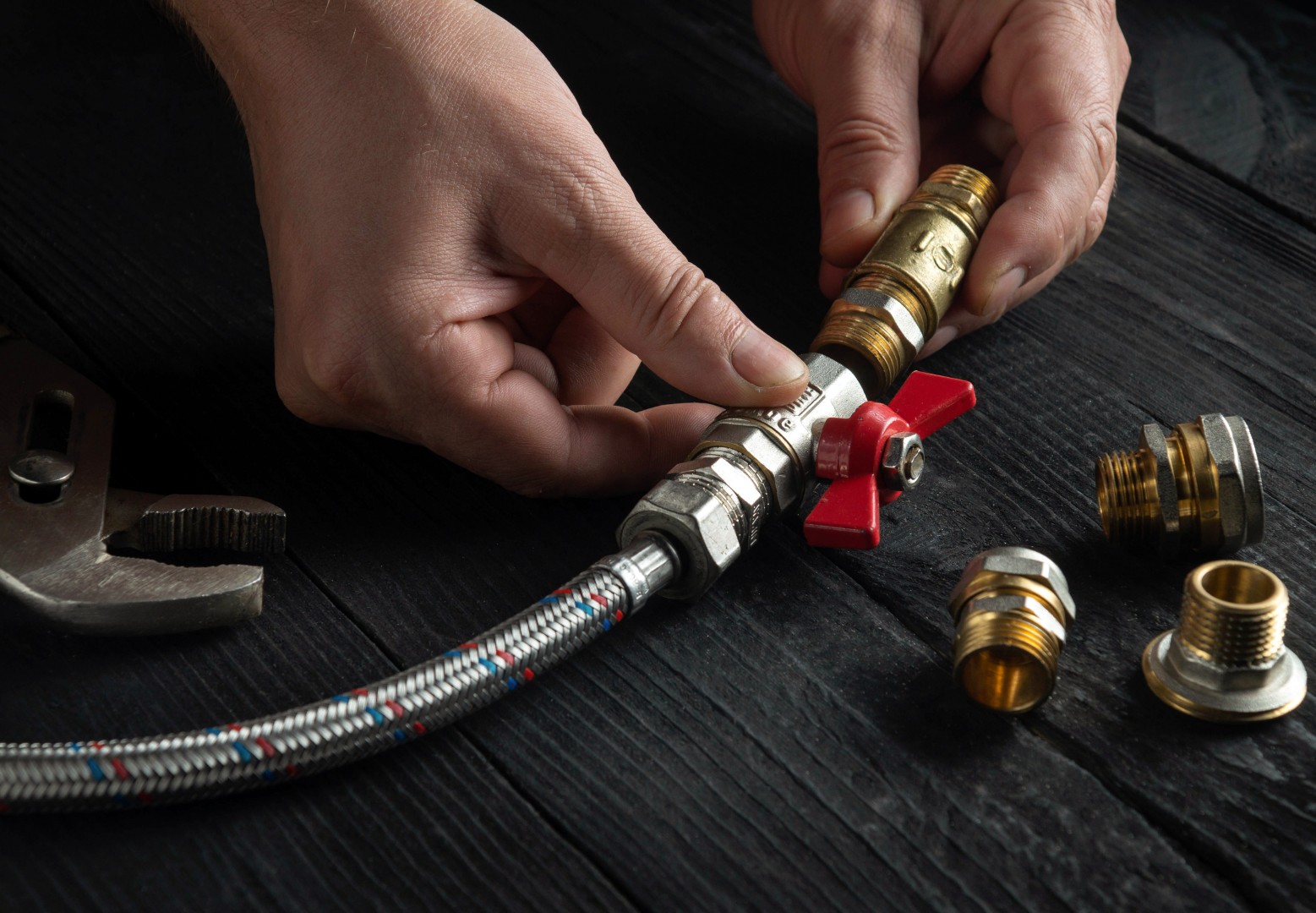
Commercial Catering Equipment Installation In Liverpool
Canary Gas provides professional commercial catering equipment installation in Liverpool for restaurants, cafés, pubs, hotels, takeaways, schools and other professional kitchens. From replacing individual appliances to fitting equipment throughout a new catering facility, our experienced commercial engineers deliver carefully planned installations designed around safety, workflow and dependable day-to-day performance.
Get A Free Quote
Professionally Installed Equipment for Commercial Kitchens
Installing commercial catering equipment involves much more than positioning an appliance and connecting it to a gas supply. The equipment must suit the available space, intended workload, kitchen layout, ventilation system and existing gas infrastructure. Poorly planned installations can restrict access, interrupt workflow or create problems with safe operation and future maintenance.
Canary Gas Ltd manages commercial catering equipment installations throughout Liverpool, helping businesses introduce suitable appliances into new and existing kitchens. We can assess the proposed position, manufacturer requirements, utility connections, extraction arrangements and clearance around the appliance before installation begins.
Our engineers work with business owners, kitchen designers, contractors and equipment suppliers to coordinate each stage of the project. Whether you are replacing an ageing fryer or installing several appliances as part of a complete refurbishment, we focus on creating an installation that works effectively within the wider kitchen.

Gas Catering Appliance Installation and Replacement
Our commercial engineers install a broad range of gas-fired catering equipment used in professional food preparation environments. This can include commercial ovens, ranges, fryers, griddles, grills, boiling tops, salamanders, water boilers and specialist appliances.
Before fitting the equipment, we confirm that the proposed appliance is appropriate for the existing gas supply and installation. Relevant pipework, controls, isolation points and connections can then be assessed to determine whether alterations or upgrades are required. This helps prevent problems caused by insufficient supply capacity, unsuitable connections or poorly positioned services.
Canary Gas can also remove and replace older appliances when a business is upgrading its kitchen. Where existing equipment has become unreliable, difficult to maintain or unsuitable for current demand, we can help plan a replacement that fits the available space and operational requirements. Our commercial catering equipment repairs in Liverpool service can also assess whether repairing an appliance remains worthwhile before replacement is arranged.

Installation Planning for New and Refurbished Kitchens
New kitchen developments and refurbishments require close coordination between equipment, fabrication, gas pipework, extraction and general building work. Installing appliances in the wrong sequence can create avoidable delays or leave other contractors unable to complete their work efficiently.
Canary Gas plans catering equipment installation around the wider project programme. We consider appliance dimensions, service routes, access requirements, extraction positions and the intended movement of staff through the kitchen. This is particularly important where several cooking stations must operate side by side during busy service periods.
For larger projects, our commercial kitchen installers can support the complete kitchen development, including layout planning, bespoke fabrication, equipment positioning, ventilation and commissioning. This coordinated approach gives hospitality businesses a single experienced team for several connected elements of the installation.
Why Choose Canary Gas for Equipment Installation?
Canary Gas has more than 30 years of experience across commercial gas engineering, catering equipment, kitchen installation, ventilation and bespoke fabrication. This allows us to approach appliance installation as part of the complete kitchen rather than viewing it as an isolated connection.
Our team understands the pressures faced by restaurants, pubs, hotels, takeaways and other food businesses. We plan work carefully, communicate clearly and aim to minimise disruption where installations are taking place within an operational kitchen.
Gas-related work is completed by engineers with the appropriate commercial qualifications. We provide straightforward recommendations and focus on installations that support safe use, efficient workflow and reliable long-term performance.
Engineering-Led Solutions
Every project is planned using practical engineering knowledge, not off-the-shelf approaches.
Fully Compliant
All work meets current safety regulations and industry standards without compromise.
Proven Industry Experience
Decades of commercial catering experience inform every decision and installation we deliver.
End-To-End Service
We manage design, installation, and commissioning for a smooth, coordinated process.

Frequently Asked Questions
Canary Gas installs a wide range of gas-fired commercial catering appliances used within professional kitchens. This can include ovens, ranges, fryers, grills, griddles, boiling tops, salamanders, water boilers and specialist cooking equipment. The precise installation requirements depend on the appliance manufacturer, fuel type, output, intended position and available gas supply. We can assess whether the existing pipework, controls, ventilation and extraction arrangements are suitable before connecting the equipment. Businesses should provide appliance specifications, model information and proposed location wherever possible. This allows our engineers to identify potential alterations before installation and helps avoid delays once the equipment arrives. We work with independent venues, hospitality groups, institutional kitchens and other organisations operating professional catering facilities.
Yes. Canary Gas can remove and replace existing catering appliances where equipment has become unreliable, uneconomical to repair or unsuitable for current kitchen demand. Before installation, we assess whether the new appliance is compatible with the available space, gas supply, pipework and ventilation arrangements. A replacement model may have different dimensions, connection positions or gas requirements, even when it performs a similar role to the previous appliance. This means alterations may be needed before the equipment can be commissioned safely. We can also inspect the condition of the existing appliance before replacement is confirmed. Where the equipment remains serviceable, planned commercial catering equipment servicing may provide a more cost-effective option.
Commercial gas catering equipment must be installed by a Gas Safe registered engineer who is qualified for the specific type of commercial appliance and gas work involved. Domestic gas qualifications alone do not automatically cover commercial catering installations. A qualified engineer will assess the connection, gas supply, appliance controls, safety devices and relevant ventilation arrangements before commissioning the equipment. Businesses can use the Gas Safe Register to check a business or engineer and confirm their applicable qualifications. Using an appropriately qualified professional helps protect kitchen staff, customers and the premises while ensuring that important safety requirements are considered. Equipment should not be connected, altered or commissioned by unqualified kitchen staff or general contractors.