
Repairing an older commercial boiler can still be worthwhile when the unit remains structurally sound, replacement parts are available and the fault is limited to a repairable component. The decision should consider the cost of the repair, previous breakdowns, energy performance and whether the boiler continues to meet the requirements of the premises. A system that fails repeatedly may become more expensive to maintain than replace. Older equipment can also be difficult to support when manufacturers discontinue important components. Canary Gas assesses each boiler individually and provides clear advice rather than automatically recommending replacement. Where a repair is unlikely to provide reliable long-term service, we can discuss a planned heating upgrade that reduces the risk of further disruption.
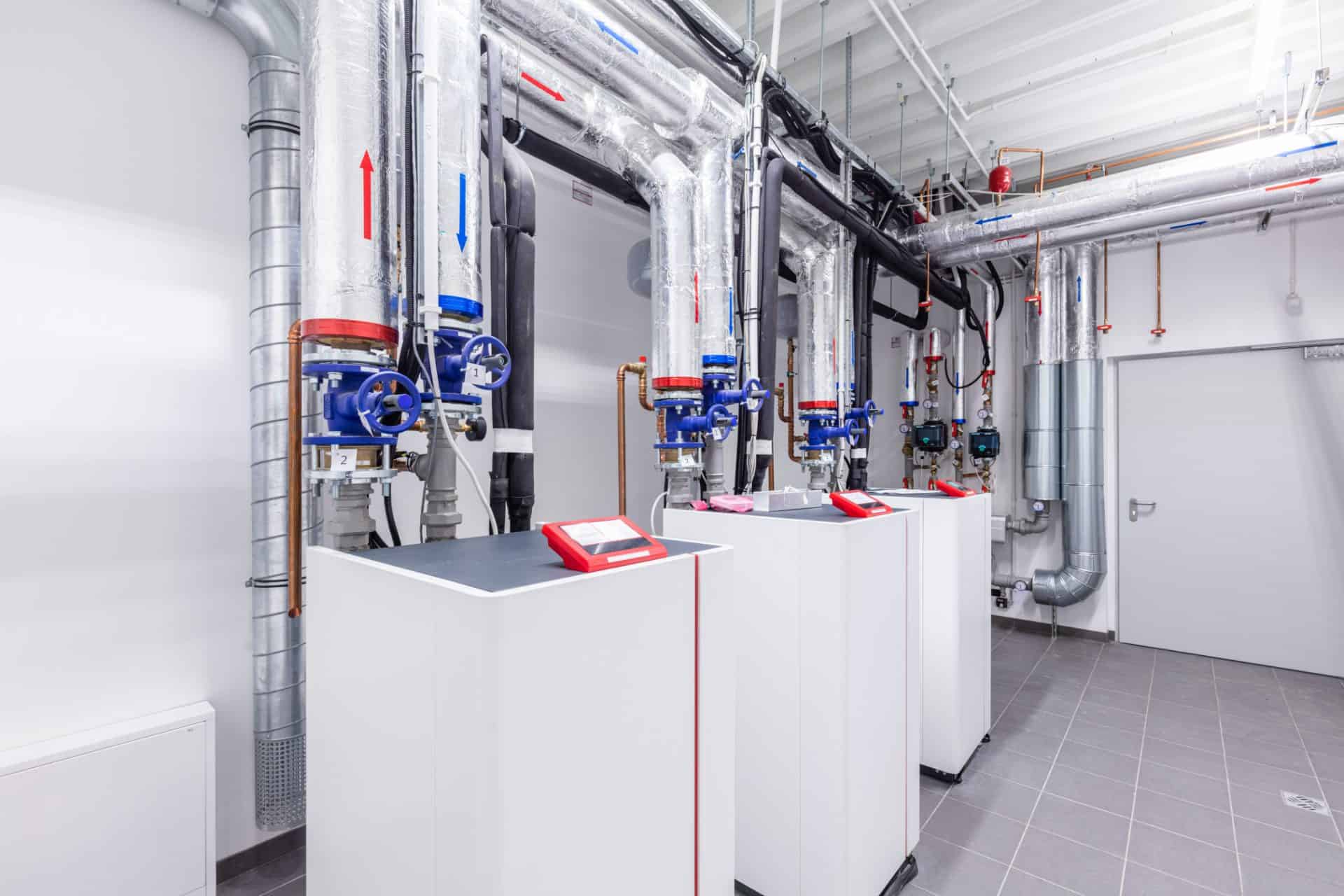
Commercial Heating Repairs in Liverpool
Canary Gas provides professional commercial heating repairs in Liverpool for restaurants, hotels, pubs, offices, schools, care facilities and other commercial premises. Our experienced engineers diagnose boiler faults, heating failures and plant-room problems, providing dependable solutions that help businesses restore warmth, hot water and normal day-to-day operations.
Get A Free Quote
Commercial Heating Fault Finding for Liverpool Businesses
A commercial heating failure can affect much more than the temperature of a building. Hotels may struggle to provide adequate heating and hot water, restaurants can face uncomfortable working conditions, and offices, schools or care facilities may be unable to use important areas of the premises.
Canary Gas Ltd carries out detailed commercial heating fault finding throughout Liverpool. Our engineers assess the boiler, controls, gas supply, pumps and associated system components to identify the underlying cause of the problem. This helps prevent businesses from repeatedly replacing parts without resolving the fault that is affecting overall performance.
Once the issue has been identified, we explain the findings clearly and recommend an appropriate repair. Our focus is on restoring safe, reliable operation while avoiding unnecessary work. We support individual commercial boilers as well as larger systems serving several areas of a building.

Commercial Boiler Repairs and Heating Breakdowns
Commercial boilers are often placed under considerable demand, particularly in hospitality, leisure, education and care environments. A developing fault may initially appear as poor heating performance, unusual noises or intermittent shutdowns before eventually causing a complete system breakdown.
Our engineers investigate a wide variety of commercial boiler and heating problems. These may include ignition failures, pressure issues, faulty controls, damaged components, unreliable thermostats, circulation problems and boilers that repeatedly lock out. We can also assess situations where some rooms remain cold despite the system appearing to operate normally.
Every repair begins with an appropriate examination of the equipment and surrounding installation. Where the system must be isolated for safety, we explain why it cannot remain in use and what work will be needed before it can be operated again.
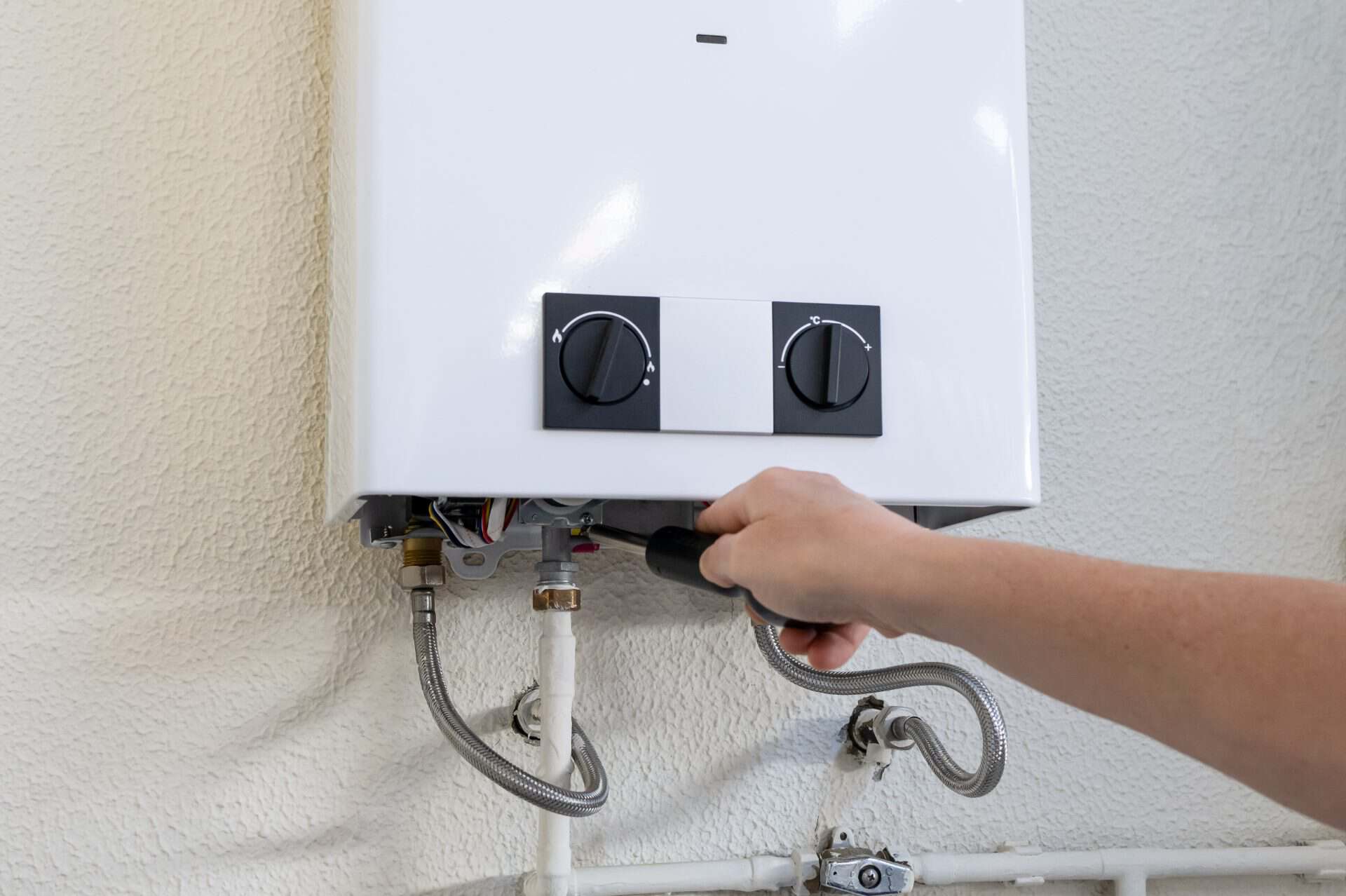
Identifying Common Commercial Heating Problems
Commercial heating systems can develop faults gradually or stop working without warning. Recognising the early signs of a problem can help facilities managers and business owners arrange repairs before heating is lost completely.
Warning signs can include unusual boiler noises, inconsistent room temperatures, a reduction in available hot water, rising system pressure, frequent resetting or unexplained increases in fuel consumption. Radiators or heating circuits that take longer to warm up can also indicate circulation, control or system-balancing problems.
These symptoms do not always mean the boiler itself has failed. The cause may be connected to pumps, valves, thermostats, pipework, sensors or wider plant-room controls. Canary Gas takes an engineering-led approach to diagnosis, considering how the complete system operates rather than focusing only on the most obvious symptom.
Why Choose Canary Gas for Commercial Heating Repairs?
Canary Gas has more than 30 years of experience working with commercial gas, heating, catering and plant-room systems. This broad technical background helps our engineers investigate complex faults involving several connected components.
We understand that commercial heating repairs must be completed carefully without creating unnecessary disruption for employees, customers or residents. Our team communicates clearly, plans work around the requirements of the premises and focuses on safe, dependable solutions.
All commercial gas work is carried out by engineers with the relevant qualifications. We use professional diagnostic methods and provide straightforward recommendations so that clients understand what has failed, what can be repaired and whether additional work should be considered.
Engineering-Led Solutions
Every project is planned using practical engineering knowledge, not off-the-shelf approaches.
Fully Compliant Installations
All work meets current safety regulations and industry standards without compromise.
Proven Industry Experience
Decades of commercial catering experience inform every decision and installation we deliver.
End-To-End Service
We manage design, installation, and commissioning for a smooth, coordinated process.
Commercial Heating Engineers Across Liverpool
Canary Gas supports businesses and organisations throughout Liverpool City Centre, the Knowledge Quarter, Baltic Triangle, Ropewalks, Aigburth, Allerton, Woolton, Anfield, Walton, Toxteth and surrounding districts.
We work across a wide range of properties, including restaurants, pubs, hotels, offices, schools, leisure facilities, shops, care settings and other commercial buildings. Each system is assessed according to the way the premises is used and the level of heating or hot water required.
Our wider service area includes Chester, St Helens, Southport and communities throughout Merseyside. Commercial heating repair projects can also be considered across the North West, depending on the type of system, location and work required. To discuss a boiler breakdown, plant-room problem or underperforming heating system, contact us today and arrange support from our experienced commercial engineers.
Frequently Asked Questions
Canary Gas can diagnose and repair a broad range of faults affecting commercial boilers and heating systems. Common problems include ignition failures, boiler lockouts, pressure loss, circulation issues, faulty thermostats, damaged controls, unreliable pumps and heating zones that do not reach the required temperature. We can also investigate unusual noises, inconsistent hot water and systems that repeatedly need resetting. The repair available will depend on the boiler manufacturer, model, age and availability of suitable parts. Because a heating problem may be caused by pipework, controls or plant-room components rather than the boiler itself, our engineers assess the wider system before recommending work. This supports a more accurate diagnosis and reduces the likelihood of the same fault returning.
Check whether the system displays a fault code and record any symptoms, noises or changes noticed before it stopped working. You can also confirm whether the building has electricity and whether authorised controls have been altered, but you should not remove covers or attempt gas-related repairs yourself. Stop using the equipment if you smell gas, suspect carbon monoxide or believe the system is unsafe. For a suspected natural gas leak, turn off the supply when safe, ventilate the premises and call the National Gas Emergency Service on 0800 111 999. The Health and Safety Executive advises employers not to use appliances they know or suspect are unsafe. A suitably qualified engineer should inspect the system before it is returned to operation.
This will depend on the location of the equipment, the nature of the fault and whether the work can be completed safely around employees, customers and normal operations. Many commercial heating repairs can be planned to minimise disruption, particularly where the boiler or plant room is separate from public areas. However, some faults require the gas or heating supply to be isolated while testing and repairs are completed. Canary Gas will explain what access is needed and whether areas of the premises must be closed temporarily. Providing details about opening hours, access restrictions and the affected parts of the building during the initial enquiry allows us to plan the visit appropriately and reduce avoidable interruption wherever possible.